

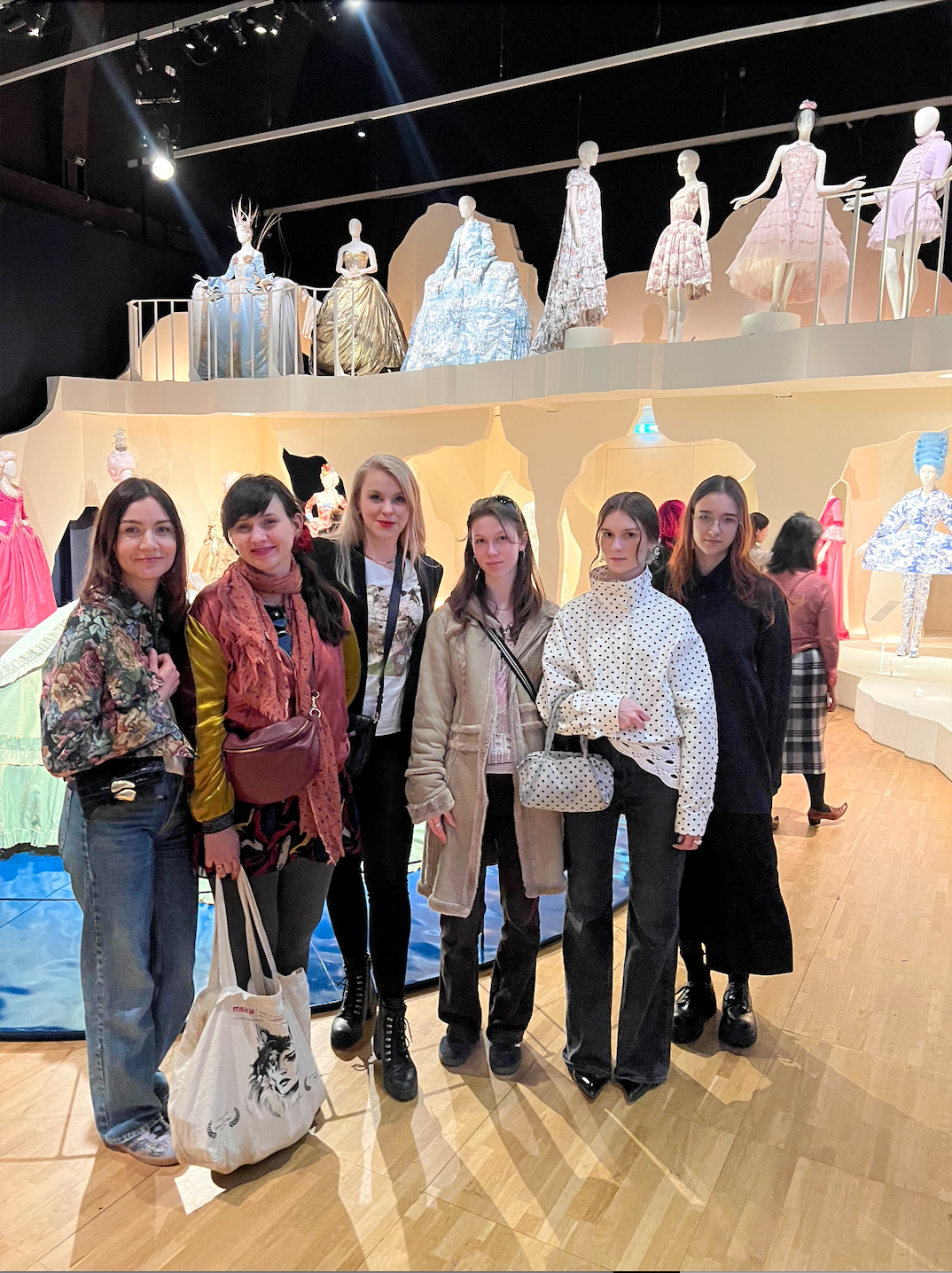
Two days, six exhibitions, hundreds of inspirations, and one city that has been setting the rhythm of culture, style, and creativity for decades. MSKPU students set off for London!
Some trips stay with us for a long time — not only in photographs, but above all in our minds, sketchbooks, and the way we look at fashion. The London trip for MSKPU students was definitely one of those. In just 48 hours, we managed to visit as many as six exceptional exhibitions that presented fashion from very different perspectives: as a tool for image-making, a story about an era, the language of film, a form of expression, and even a space for experimentation and identity.
It was a true fashion and costume marathon — intense, inspiring, and absolutely worth every step!
Marie Antoinette Style
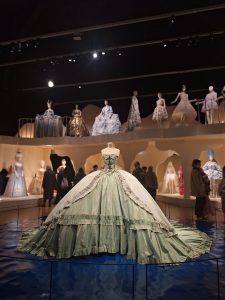
At the Victoria and Albert Museum, we visited the exhibition “Marie Antoinette Style”, which presented fashion as far more than clothing — as a tool for shaping image, conveying messages, and exerting cultural influence. For our students, it was a valuable lesson in how style can function as a conscious narrative and how deeply fashion permeates history, art, and contemporary visual culture.
Costume Couture: Sixty Years of Cosprop
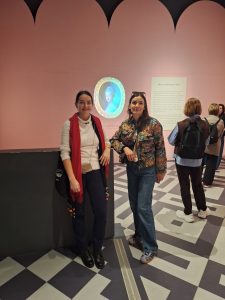
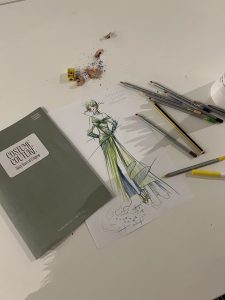
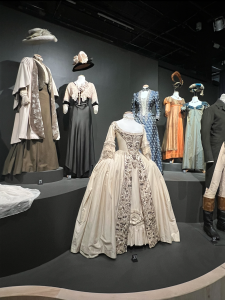
The exhibition “Costume Couture: Sixty Years of Cosprop” at the Fashion & Textile Museum also made a huge impression on us. It offered a fascinating look at costume as a craft — both in film and television, and in the entire creative process behind the final result. Students had the opportunity to see not only the costumes themselves, but also sketches, accessories, fabrics, construction details, and elements of a costume designer’s workshop.
This part of the programme also had a very special, distinctly “MSKPU” character — during the visit, the students sketched together under the guidance of our fashion illustration lecturer, Sylwia Lewandowska. It was a moment not only of observation, but also of practically translating inspiration into their own visual language. Because it is often in this kind of direct contact with art, costume, and detail that the most interesting ideas are born.
Wes Anderson: The Archives
At the Design Museum, we saw the exhibition “Wes Anderson: The Archives”, which showed just how much influence the language of film, composition, colour, and detail, can have on fashion and design. For our students, it was a valuable lesson in thinking about fashion more broadly – not only as clothing, but as part of a larger visual narrative.

Blitz: the club that shaped the 80’s
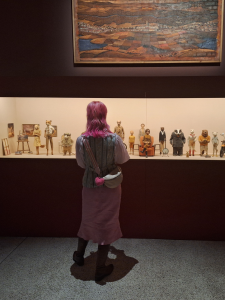
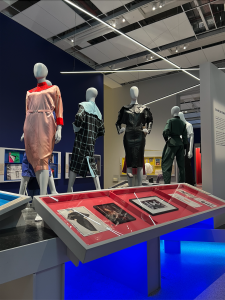
At the same museum, we also visited the exhibition “Blitz: The Club That Shaped the 80s” — one of those displays that stays in your memory not just because of the clothing, but because of the entire atmosphere of the era. It’s a unique story of 1980s London, the New Romantic movement, and the Blitz club as a place that became a true laboratory of style, identity, and cultural change.
The exhibition beautifully showed that fashion often emerges not on runways, but on the streets, in clubs, within subcultures, and among people who use clothing to express themselves and communicate with the world. For young creators, this is a crucial perspective — a reminder that style doesn’t appear out of nowhere. It always grows from emotion, the need for expression, and a specific cultural moment.
Gianni Versace
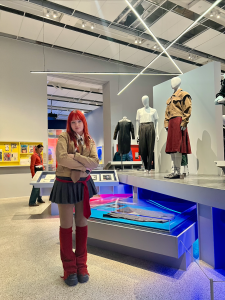
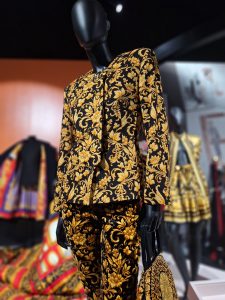
No London marathon through fashion would be complete without encountering fashion in its most iconic and spectacular form, which is why the itinerary also included the exhibition dedicated to Gianni Versace. This was another key moment of our journey through fashion: an encounter with an aesthetic that has long been a symbol of boldness, distinctiveness, and an uncompromising approach to design. Experiences like this remind us that fashion can be craftsmanship, vision, emotion, and an artistic statement all at once.
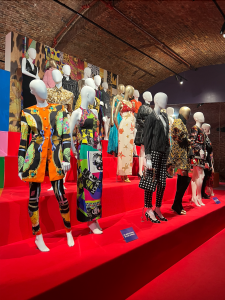
At MSKPU, we believe that fashion education also happens in museums, on the streets of major cities, and through shared observation and encounters with fashion in its most vibrant form. This was a time of experiencing fashion together, engaging in conversations, exchanging perspectives, creating sketches, and exploring first interpretations. Moments like these nurture not only aesthetic sensitivity, but also relationships, openness, and the creative energy that lingers long after the trip ends.

Related Articles
-
This is where your career begins – MSKPU Diploma Show already on September 30!
-
Fashion Revolution 2026: Buy, Use, Throw Away. Is Another Fashion Possible? Open Lecture at MSKPU
-

MSKPU Team conquers OFF FASHION – 12 Talents Reach the Competition Semifinals
-

An MSKPU graduate’s brand is making waves at Milan Design Week